The Eraser's Vote: What a Firm Keeps When It Photographs the Whiteboard
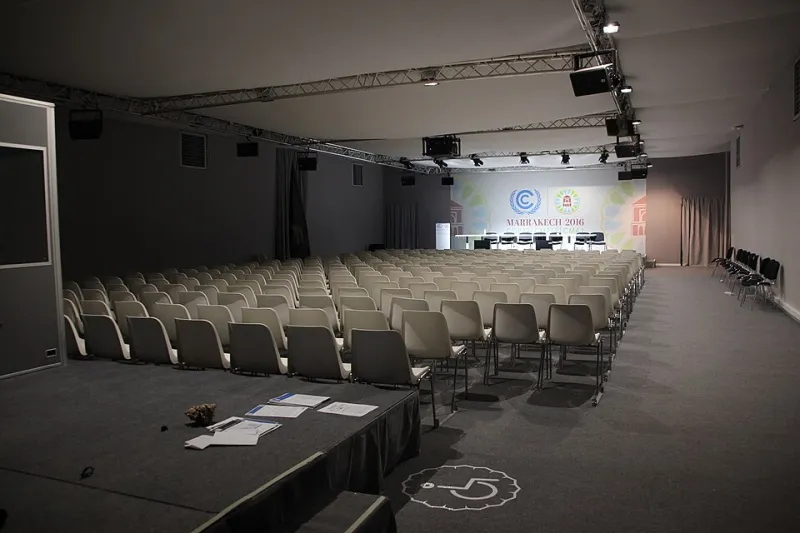
Photo: Takver from Australia, CC BY-SA 2.0, via Wikimedia Commons
The Room After the Room
A meeting adjourns and the room does not empty all at once. Chairs scrape back, laptops close, and someone lingers. That person holds a phone at an angle, waits for the glare to leave the whiteboard, and takes a photograph. Then the eraser comes out. The board is wiped clean, the markers return to the tray, and the room resumes its ordinary appearance.
The photograph is the only surviving artifact of an hour of argument. It is also a decision. Someone chose which board to capture, which angle to use, whether to include the margin notes, and whether to photograph the board at all. That decision is rarely documented. It is made quickly, by whoever happens to remain, and it shapes what the firm can later claim it decided.
The Camera Is Not a Clerk
A firm that treats the whiteboard photograph as mere convenience misunderstands its role. The camera is not a clerk taking minutes. It is an editor with a thumb. It compresses debate into a diagram, erases the failed options, and preserves the version of the conversation that looked resolved enough to photograph.
This is useful, but it is not neutral. The whiteboard often contains two kinds of information: the polished framework in the center and the messy alternatives around the edges. The center tends to survive. The edges tend to be cropped out, wiped away, or left unreadable. The photograph therefore records the conclusion more reliably than the reasoning.
In an advisory practice, that distinction matters. Clients hire judgment, not just outcomes. If the firm's archive only preserves the final diagram, it loses the evidence of how the team weighed trade-offs. The next engagement starts from a cleaner picture but a thinner memory.
Who Holds the Camera
The politics of the whiteboard photograph are quiet but real. The person who takes the photo controls the first draft of institutional memory. In many firms, that person is whoever stays behind to gather the room: an associate, an executive assistant, a junior partner, or the meeting's organizer. Seniority often leaves the room before the camera appears.
That inversion is worth noticing. The most senior person in the meeting may have shaped the discussion, but the most junior person may shape the record. The photograph becomes a small act of authority, exercised without ceremony. It determines which ideas are available for follow-up and which vanish before anyone thinks to ask about them.
Firms that understand this do not necessarily centralize the task. They make it deliberate. They decide in advance what deserves preservation, who is responsible for capturing it, and where the image goes afterward. They treat the photograph as a record with a chain of custody, not a camera-roll souvenir.
The Eraser as a Second Editor
Erasing is the second editorial act. A board wiped clean sends a signal: the meeting is over, the matter is settled, the room is ready for the next item. But erasing also removes the visible residue of disagreement. It makes the conclusion look inevitable.
That is why the photograph and the eraser should be understood together. One preserves, the other deletes. The firm's real record is the difference between them. If the photograph shows a decisive framework and the eraser removes the skeptical notes in the corner, the archive tells a story of alignment that may not have existed.
This is not an argument for photographing every mark. A firm that keeps everything keeps nothing usable. The point is that selection should be visible to the people who will later rely on the record. A photograph with a note such as 'captured after the options were narrowed' is more honest than an image presented as the whole conversation.
A Small Protocol for Keeping
A firm does not need a elaborate system to improve this habit. It needs a few clear conventions. First, decide which meetings require a visual record and which do not. Second, name the person responsible before the meeting begins, not after it ends. Third, photograph the board before the eraser, and include the margins when they contain live questions. Fourth, store the image where the team can find it, with a one-line caption explaining what the board represents.
These conventions are modest, but they change the character of the archive. They turn a casual gesture into a governed one. They also give the firm a better answer to a question that arrives months later: what did we actually consider?
The whiteboard photograph is not the real minutes because it captures everything. It is the real minutes because it captures what someone decided was worth keeping. A firm that treats that decision seriously learns something about itself. It learns who is trusted to remember, what is allowed to disappear, and whether its record of judgment is as strong as its record of conclusions.