Margin of Trust: The Sticky Note That Outranked the Signature
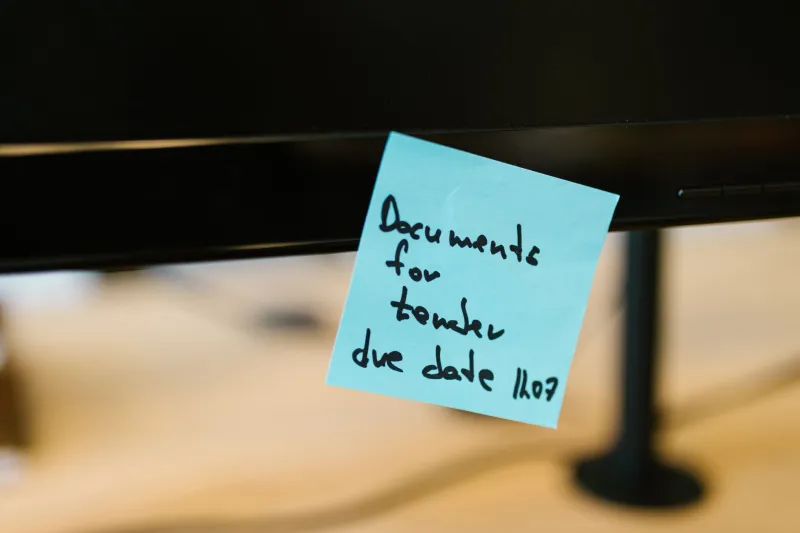
Somewhere in the Midwest, in a flat file drawer belonging to a third-generation tooling shop, sits a supply agreement that has been renegotiated four times without a single amendment. The changes are all there. One is on a yellow sticky note affixed to page six, in the founder's cramped handwriting: price hold through spring — call me if steel moves. Another is a pencil scrawl in the margin: Bill wants the freight terms the same as last year. A third is a corner of a legal pad, stapled, with two phone numbers and the word 'okay' beside them.
To a compliance officer, this file is a liability. To anyone who has spent time around healthy small businesses, it is something closer to a love letter — and a far more accurate account of the deal than the typewritten pages beneath it.
The Informal Layer
American business culture maintains a strict hierarchy of documents. The contract sits at the top: drafted by counsel, executed in counterparts, stored with ceremony. Beneath it live the emails, the call notes, the napkin sketches. And beneath even those — closest to the bone — sit the handwritten annotations, the sticky notes, the margin marks made by the people who actually intend to honor the thing.
We tend to read this layer as sloppiness, a failure of process. I have come to believe the opposite. The informal layer is where the deal's health is recorded in real time. A contract is written at the moment of maximum mutual suspicion; it exists to govern the version of the counterparty you do not yet trust. The sticky note is written later, by someone who does.
What the Note Actually Says
Consider what a handwritten addendum communicates. First, that someone read the document closely enough to have an opinion about a specific clause. Second, that they felt safe expressing that opinion informally — no counsel, no redline, no negotiation theater. Third, and most telling: that they believed the other party would simply agree. That last assumption is the whole ballgame. You do not tape a note to a contract expecting bad faith.
Contrast this with the deal that arrives perfectly executed, every 'i' dotted, and never changes again. Immaculate agreements sometimes reflect immaculate relationships. Just as often, they reflect two parties who each hired lawyers and never spoke again until the dispute.
When Formality Should Win
None of this is an argument against rigor. The sticky note fails precisely when the relationship does — in an acquisition, a divorce between partners, a death in the family firm. The tooling shop's founder knew this; the yellow note sits on top of a real contract, not in place of one. Informality layered on formality is trust. Informality substituting for formality is a lawsuit with a delay timer.
The discipline, then, is not to eliminate the handwritten margin but to institutionalize it. Some firms now photograph every annotation and attach it to the digital record. Others hold a brief annual ritual: read the margins out loud, agree on which informal promises have hardened into expectations, and either draft them properly or retire them. The note that stays a note for a decade is not a shortcut. It is a covenant both parties have chosen to keep light.
Reading the Margins Before You Sign
For the advisor, the diagnostic value is hard to overstate. Before signing with a new firm, ask to see how they handle their existing agreements — not the templates, the live ones. A file full of thoughtful, dated, mutually acknowledged annotations tells you a company negotiates in good faith and remembers what it promised. A file of pristine, untouched contracts tells you only that nobody has had a conversation worth writing down.
The contract tells you what happens if the deal fails. The sticky note tells you why it won't.